 4.9★
 AI-Infused
Power BI Course in Dehradun
2 MonthsOffline
Next batch 16 Nov 2026
Free LMS · 1 yrPlacement supportNo-cost EMI
Unlock the power of SQL for data analytics with our expert-designed course in Dehradun. Gain in-depth knowledge and hands-on skills to analyze, interpret, and visualize data, setting you up for success as a data analyst.
Batch dates, fee, EMI plan and a personalised roadmap for Professional SQL Course in Dehradun.
Make sure this is an active WhatsApp number. The OTP will be sent via WhatsApp.
By submitting this form, you agree to our Terms and Conditions and Privacy Policy. No spam. Your details are only used to contact you about your enquiry.



Build industry-relevant skills with modern AI tools and technologies integrated into your learning experience.
Access class recordings, study notes, quizzes, assignments, and projects on BrillicaNext for 12 months to support continuous learning.
Stay connected to your learning journey with convenient mobile access to course resources on Android and iOS.
Prepare for career opportunities with resume building, LinkedIn profile guidance, mock interviews, and placement assistance.
Make your learning journey more accessible with convenient monthly instalments through available EMI options, subject to applicable terms.
 SQL
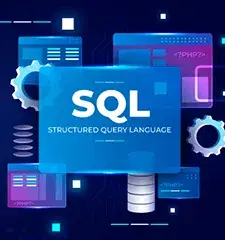
Complete an end-to-end SQL analysis project, encompassing data extraction, transformation, querying, and insightful result presentation.

Perform data retrieval, cleaning, and transformation processes to ensure accuracy, consistency, and readiness for analysis or reporting.

Showcase key data analytics use cases with SQL, highlighting data retrieval, analysis, and insightful reporting techniques.
Showcase your skills and project experience with a Brillica Services certificate. Add it to your resume and LinkedIn profile to highlight your achievements, strengthen your professional credibility, and stand out to potential employers.
Our placement team prepares you for career opportunities across industries with expert guidance, interview preparation, and job-readiness support.














































Alongside your regular course, every Brillica learner goes through our Job-Readiness Program and Personal Development Program (PDP). Resume, communication, GD, aptitude, interview skills and mock interviews, until you're ready to crack the interview.
One-on-one resume reviews with ATS-friendly templates for your target role.
Recruiter-ready resumeOptimised LinkedIn profile, GitHub, Behance or campaign portfolio from your course projects.
Profile that gets foundSpoken English, email writing, presenting your projects and speaking with confidence.
Clear, confident speakingWeekly GD rounds on tech, business and current topics with feedback on structure and clarity.
Clear the GD roundQuantitative, logical and verbal practice in the format used by campus and off-campus drives.
Pass screening testsIn today's data-driven era, the ability to analyze and interpret vast datasets is indispensable. Both professionals and businesses depend on data to make informed decisions, monitor performance, and uncover valuable insights that fuel growth. Among the most powerful and widely utilized tools for this purpose is Structured Query Language (SQL).
The Data Analytics Course Using SQL is meticulously designed to equip both students and professionals with essential skills to perform data analysis, transform raw data into actionable insights, and make data-driven decisions using SQL. SQL forms the backbone of data manipulation and querying across various industries, including healthcare, finance, marketing, and technology.
This course offers an in-depth understanding of SQL, enabling learners to become proficient in data analysis tasks, whether for business intelligence or advanced analytics roles.
SQL, being the most popular and powerful language for managing relational databases, is integral to the work of data analysts, data scientists, and business intelligence professionals. The Data Analytics Using SQL course is tailored to provide the foundational knowledge needed to leverage SQL for analyzing large and complex datasets. It covers a range of topics from basic SQL commands to advanced techniques, ensuring learners are well-prepared to handle real-world data challenges.
The demand for SQL and data analytics professionals has surged to unprecedented levels. With businesses generating vast amounts of data daily, the ability to extract actionable insights has never been more critical.
Mastering SQL enables learners to perform in-depth data analysis, identify patterns and trends, and provide valuable insights that can drive business transformation. This course is specifically designed to not only teach SQL but also to equip learners with practical, hands-on skills to effectively apply SQL in real-world data analysis situations.
The SQL Course in Dehradun, Uttarakhand is meticulously designed to accommodate the needs of both newcomers and seasoned professionals. Starting with foundational SQL concepts, it progressively delves into more advanced topics. Whether you're stepping into data analytics for the first time or looking to deepen your SQL expertise, this course will refine your analytical abilities and elevate your career prospects.
In this module, learners are introduced to the fundamentals of SQL and its application in data analytics. Topics covered include:
Building upon the basics, this module delves deeper into SQL querying and data retrieval techniques, including:
This module covers:
Subqueries are an essential tool in SQL that allow for more flexible and efficient querying. In this section, learners will explore:
In this module, learners will master techniques such as:
Learners will gain an understanding of advanced SQL functions that enhance their analysis capabilities:
Efficient querying is essential when working with large datasets. This module covers:
The practical aspect of this course is designed to provide learners with hands-on experience using SQL for data analysis. This includes:
The SQL Training in Dehradun is offered by experienced instructors with a strong background in data analytics and SQL. They bring a wealth of real-world experience and industry knowledge to the classroom, ensuring that students receive both theoretical insights and practical skills.
Instructors provide continuous support throughout the course, helping learners tackle challenges, refine their SQL skills, and apply concepts in real-world scenarios. The learning environment promotes collaboration, allowing students to interact with peers, share ideas, and build valuable professional networks.
Upon completing the Data Analyst Course with SQL, students will be well-positioned to pursue various roles in data analytics and business intelligence. Job roles include:
Upon successful completion of the Data Analytics Using SQL course, students receive a certification that validates their expertise in SQL and data analysis. This certification is a powerful tool for enhancing employability, demonstrating proficiency in SQL and data analytics. With SQL skills in high demand, the certification serves as a valuable credential in the job market.
The course also encourages learners to build a portfolio of SQL projects, showcasing their ability to solve real-world data problems. A strong portfolio can significantly boost job prospects, helping students stand out to potential employers.
The SQL Course in Dehradun is offered in both online and classroom formats, providing flexibility to suit different learning preferences.
Both formats ensure that learners receive a comprehensive, practical learning experience, preparing them for careers in data analytics.
One of the key features of the Data Analytics Using SQL course in Dehradun is its focus on real-world applications. Throughout the course, students will work on case studies and projects that mirror the types of data they will encounter in their careers. By analyzing real data, learners gain practical experience in applying SQL to extract, organize, and analyze information.
Students will also learn how to use SQL to inform business decisions by analyzing sales performance, customer behavior, and marketing effectiveness. The ability to make data-driven decisions is a critical skill in today’s business landscape, and this course ensures that learners are prepared to use SQL to support decision-making.
The SQL Course in Dehradun, Uttarakhand is an ideal choice for anyone looking to pursue a career in data analytics or business intelligence. Whether you are a beginner just starting in the field or a professional looking to enhance your SQL skills, this course provides the knowledge and practical experience needed to succeed.
SQL is a powerful tool for data analysis, and this course will give you the skills to manipulate and analyze data, uncover insights, and make data-driven decisions. Enrol today to start your journey towards becoming a proficient data analyst using SQL and take the first step toward advancing your career in the growing field of data analytics.
Speak with our counsellor today to explore course fees and secure your admission with no-cost EMI.
AI-Infused AI-Infused
 AI-Infused