 4.9★
 AI-Infused
Data Analytics Using Power BI Online Course
2 MonthsOnline
Next batch 23 Nov 2026
Free LMS · 1 yrPlacement supportNo-cost EMI
This course is designed to introduce you to the fundamentals of data analytics using SQL, focusing on how SQL can be used to query, manage, and interpret data effectively. Learn how to leverage data analytics using SQL to extract insights and support data-driven decisions.
Batch dates, fee, EMI plan and a personalised roadmap for Data Analytics Using SQL Online Course.
Make sure this is an active WhatsApp number. The OTP will be sent via WhatsApp.
By submitting this form, you agree to our Terms and Conditions and Privacy Policy. No spam. Your details are only used to contact you about your enquiry.



Build industry-relevant skills with modern AI tools and technologies integrated into your learning experience.
Access class recordings, study notes, quizzes, assignments, and projects on BrillicaNext for 12 months to support continuous learning.
Stay connected to your learning journey with convenient mobile access to course resources on Android and iOS.
Prepare for career opportunities with resume building, LinkedIn profile guidance, mock interviews, and placement assistance.
Make your learning journey more accessible with convenient monthly instalments through available EMI options, subject to applicable terms.
 SQL
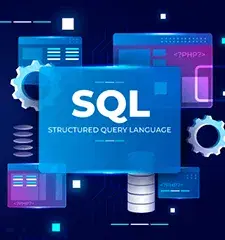
Perform a SQL project with data retrieval, complex queries, optimization, and reporting to demonstrate real-world expertise.

Retrieve, clean, and transform raw data into structured formats, ensuring accuracy and readiness for analysis and insights.
Showcase your skills and project experience with a Brillica Services certificate. Add it to your resume and LinkedIn profile to highlight your achievements, strengthen your professional credibility, and stand out to potential employers.
Our placement team prepares you for career opportunities across industries with expert guidance, interview preparation, and job-readiness support.









































Alongside your regular course, every Brillica learner goes through our Job-Readiness Program and Personal Development Program (PDP). Resume, communication, GD, aptitude, interview skills and mock interviews, until you're ready to crack the interview.
One-on-one resume reviews with ATS-friendly templates for your target role.
Recruiter-ready resumeOptimised LinkedIn profile, GitHub, Behance or campaign portfolio from your course projects.
Profile that gets foundSpoken English, email writing, presenting your projects and speaking with confidence.
Clear, confident speakingWeekly GD rounds on tech, business and current topics with feedback on structure and clarity.
Clear the GD roundQuantitative, logical and verbal practice in the format used by campus and off-campus drives.
Pass screening testsThis SQL course for data analysis is meticulously designed for individuals eager to master the use of SQL in data analytics, equipping them with the skills to perform efficient and effective data analysis. Whether you are a beginner seeking foundational knowledge or a professional looking to enhance your expertise, this course offers a comprehensive learning journey that covers every aspect of SQL used in data analytics. By the end of the programme, you will have a strong command of how SQL is used for data analysis, enabling you to manage, query, and transform data into actionable insights.
Throughout this course, you will delve deeply into the core principles of SQL in data analytics, learning to use SQL as a versatile tool for cleaning, organising, and analysing data. Starting with foundational concepts, such as basic queries and filtering data, the course gradually progresses to advanced topics, including joins, subqueries, window functions, and database optimisation.
These techniques are crucial for handling complex datasets and ensuring accurate results in data-driven decision-making processes. The programme also emphasises the use of SQL in data analytics to manage large datasets effectively, preparing participants to meet the demands of modern industries. One of the standout features of this course is its strong emphasis on data analysis using SQL in real-world scenarios.
Participants will learn to apply SQL techniques to clean and structure data, ensuring it is ready for analysis. For example, you'll gain expertise in identifying inconsistencies within datasets, rectifying errors, and transforming raw data into meaningful formats. These skills are essential for producing reliable insights that drive strategic business decisions. Moreover, you will explore how SQL is used in data analytics to extract key performance metrics, create detailed reports, and build data visualisations that effectively communicate findings.
Practical applications form a key component of this SQL course for data analysis, ensuring you not only understand theoretical concepts but also gain hands-on experience. The course incorporates a variety of projects and exercises that simulate real-world problems, enabling participants to apply their knowledge in a practical setting. From analysing sales trends to segmenting customers and optimising operational performance, you will understand the practical use of SQL in data analytics. These projects will prepare you to tackle challenges faced by organisations, ensuring you are ready to meet professional demands.
In addition to practical applications, the course provides insights into best practices for writing efficient and optimised SQL queries. These practices ensure that you can handle large datasets with minimal computational resources while maintaining data accuracy and security. The focus on optimisation aligns with industry standards, preparing you to implement SQL used for data analysis in high-pressure environments. By adopting these techniques, you will not only improve your productivity but also ensure that the data you work with adheres to compliance and security regulations.
Participants will also explore advanced concepts related to SQL used in data analytics, such as database design, data integrity, and query optimisation. These topics are vital for professionals working with large-scale data systems. You will gain a deeper understanding of database architectures and learn to create efficient schemas that enhance the performance of your analytical workflows. The course also provides an introduction to emerging trends in data analytics using SQL, such as cloud-based database management and integration with big data technologies.
Another important aspect of this course is its focus on the strategic use of SQL in data analytics for decision-making. Organisations today rely heavily on data to drive their strategies, and SQL plays a pivotal role in this process. This course ensures that you are capable of generating insights that directly impact business outcomes. From forecasting sales to identifying growth opportunities, you will learn how to use SQL as a powerful analytical tool that supports organisational goals.
The course structure includes a combination of lectures, tutorials, and interactive sessions that foster a collaborative learning environment. Each module builds on the previous one, ensuring a smooth progression from basic to advanced topics. The programme also integrates practical assignments, quizzes, and peer discussions to reinforce your understanding of SQL used in data analytics. The interactive approach not only enhances your learning experience but also enables you to connect with fellow participants, fostering a community of aspiring data analysts.
For individuals looking to pursue careers in data analytics, business intelligence, or data engineering, this course serves as an excellent stepping stone. It provides a solid foundation in SQL used in data analytics, helping you build the skills needed to excel in these fields. With the growing demand for data professionals across industries, this course opens doors to numerous career opportunities. Whether you aim to work in finance, healthcare, technology, or marketing, the ability to perform data analysis using SQL is a valuable asset that sets you apart in the job market.
The course also highlights the versatility of SQL and its integration with other tools and platforms commonly used in data analytics. You will explore how SQL can be combined with visualisation tools, such as Tableau and Power BI, to create compelling data narratives. Additionally, the course touches on the role of SQL in modern data ecosystems, including its application in data lakes, warehouses, and cloud platforms. These topics ensure that you have a well-rounded understanding of SQL used in data analytics, preparing you to tackle challenges in a rapidly evolving industry.
By the end of this SQL course for data analysis, participants will have mastered the essential skills needed to manage, query, and analyse data effectively. You will have a clear understanding of what SQL in data analytics entails and how it can be applied to solve complex business problems. Furthermore, the course equips you with the confidence to handle large-scale datasets, create optimised queries, and deliver actionable insights that support data-driven decisions.
The practical focus of the course ensures that you leave with the experience needed to apply SQL in data analytics to real-world challenges. Whether it’s automating workflows, identifying trends, or improving operational efficiency, the skills you gain will have a direct impact on your professional capabilities. Additionally, the course provides the tools to advance your career, making it an excellent choice for anyone looking to thrive in the data-driven economy.
In conclusion, this course is perfect for anyone interested in exploring data analytics using SQL, whether for career advancement or personal growth. It provides a comprehensive overview of the use of SQL in data analytics, from basic concepts to advanced techniques, ensuring you have the skills and confidence to succeed in any data-related role. With a focus on practical applications, best practices, and industry relevance, this course prepares you for a rewarding career in the dynamic world of data analytics.
Speak with our counsellor today to explore course fees and secure your admission with no-cost EMI.
AI-Infused AI-Infused
 AI-Infused